TABLE Manners
Table manners differ around the world. If you visit a friend's home for a meal,
it's good to know about the customs they follow.
Morocco
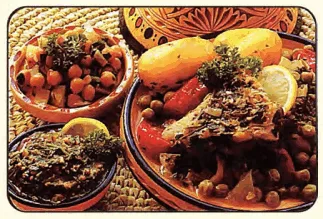
If you are invited to a Moroccan's home, bring
a gift of sweet pastries, nuts, figs, dates, or
flowers to the hostess.
In many traditional homes, people often sit on
the floor to eat a meal.
Often, everyone shares food from the same
plate. The plate is put in the center of the
table. Usually, everyone also drinks water !rom
the same glass.
Only eat the food in front of you. Don't reach
across someone for food.
It is common1 to use your fingers and small pieces of bread to eat food. Use only your
right hand to eat.
Don't say "no" to food. If the host of the meal offers you food or drink, take some and
try a little.
Also remember: In many Moroccan homes, it is common to take off your shoes.
Tanzania
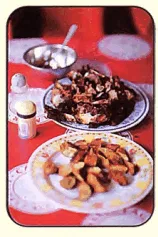
Tanzania is known for its fresh fish and spices. Don't act scared if
your meal comes with its head still on the plate.
It is polite to try a bite of everything. In many Tanzanian homes,
people sit at a table on small stools to eat.
It is OK to eat with your right hand, using bread or chapati2 to pick up
food. Everyone may take food from the same plate, but it is not usual
for people to share drinks.
You may compliment the cook on a delicious meal, but don't exaggerate.3
In some parts of Tanzania, men and women will sit at different tables.
Also remember: It is common to take off your shoes in the home,
but it is rude to show the bottom of your foot.
1 Something that is common is usual or often done.
2 Chapati is a kind of flat Indian bread.
3 If you exaggerate, you make something seem better, larger, worse, etc. than it really is.
| 
Bình luận