A. Letters or words?
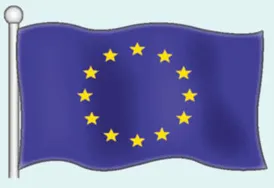 Most abbreviations are spoken as individual letters.
- EU European Union
- UN United Nations
- PM Prime Minister
- MP Member of Parliament
- BBC British Broadcasting Corporation
- ID identification, e.g. Do you have an ID card?
- PC personal computer
- CV curriculum vitae [a history of your job experience]
- ISP Internet Service Provider
Occasionally abbreviations are spoken as words, e.g. AIDS /eɪdz/ and PIN /pɪn/ [personal
identification number, especially used with a bank/credit card]
Language help
We use the verb stand for to ask about the meaning of an abbreviation.
A: What does EU stand for?
B: European Union.
B. Written forms only
Some abbreviations are written forms only, but pronounced as full words.
- Mr Scott (mister Scott)
- Mrs Bryant (misses Bryant)
- Dr Chapman (doctor Chapman)
- St Mark’s Church (Saint Mark’s Church)
- Dean St (Dean Street)
C. Abbreviations as part of the language
Some abbreviations (from Latin) are used as part of the language.
D. Shortened words
Some common English words can be shortened, especially in spoken English. In some cases,
the shorter form is more common and the full form sounds quite formal, e.g. refrigerator,
influenza, gymnasium and veterinary surgeon.
- phone (telephone)
- maths (mathematics)
- board (whiteboard/smartboard/blackboard)
- case (suitcase) photo (photograph)
- ad/advert (advertisement)
- gym (gymnasium)
- bike (bicycle)
- TV/telly (television)
- paper (newspaper)
- fridge (refrigerator)
- exam (examination)
- plane (aeroplane)
- flu (influenza) [illness like a cold but more serious]
- lab (laboratory) [special room where scientists work]
- sales rep (sales representative; syn salesperson)
- vet (veterinary surgeon)
|

Bình luận